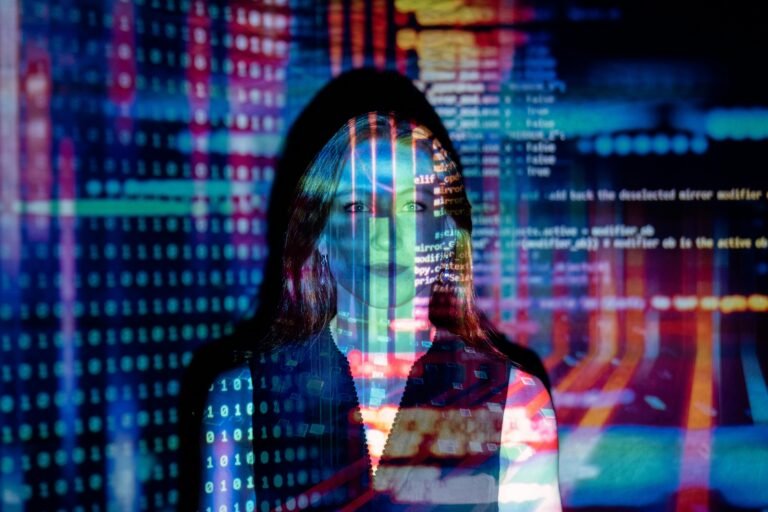
The digital revolution is unstoppable, and one of the biggest developments in recent years is the arrival of 5G technology. 5G, the fifth generation of cellular networks, is set to change the way we communicate, work, consume media, and manage our digital lives. While the previous generation (4G) improved browsing speeds and file downloads, 5G will enable new and exciting experiences, taking the world of fast internet to another level.
Unlike 4G, which can transfer data at speeds up to 1 Gbps, 5G is expected to reach speeds of up to 10 Gbps. This not only improves browsing speed but will also significantly enhance streaming services, gaming experiences, remote work, smart cities, telemedicine, autonomous driving, and more. One of the greatest advantages of 5G is its ability to serve more devices simultaneously, aiding the growing demand for the Internet of Things (IoT).
Impact on Healthcare: Remote healthcare will advance significantly as fast, secure connections allow doctors to consult in real-time, diagnose health problems, and provide emergency solutions. Additionally, technologies like robotic surgery and remote patient monitoring will become more accessible with 5G.
Impact on Transportation: Another area benefiting from the technology is transportation. Autonomous vehicles, which rely on advanced sensors, GPS, and Bluetooth technologies, will be able to operate more efficiently by sharing data between vehicles and public transport systems. Issues like road congestion and reduced accidents are expected to be addressed through 5G.
2. The Quantum Computing Revolution: How New Technology Will Change Everything We Know About Computers
The tech world is evolving quickly, and the future lies in quantum computing. This innovative field presents a significant challenge to the current generation of classical computers. While traditional computers rely on bits (0 and 1), quantum computers use qubits, enabling them to perform calculations on a scale previously impossible.
What are Qubits?
Qubits are the units of information in quantum computing, and they can exist in multiple states simultaneously, meaning they can be both 0 and 1 at the same time. This allows for parallel computations that make room for much faster problem-solving. Qubits operate based on principles of quantum mechanics, and for this reason, quantum computers can solve problems much more quickly than traditional computers.
Impact of Quantum Computing:
The impact of quantum computing is expected to be far-reaching. In fields like physics and science, quantum computers can help design new materials, create medicines, and solve complex molecular problems. In the field of security, they may threaten current encryption systems, but at the same time, they will help develop new and more reliable ways to protect data. Another area where quantum computing can upgrade is weather forecasting, providing more accurate predictions.
3. The Rise of Autonomous Cars: A Revolution in Driving and Transportation
Autonomous vehicles, powered by advanced sensors, artificial intelligence technologies, and sophisticated algorithms, are one of the most significant upgrades in the automotive industry. This progress not only provides a solution to problems like traffic accidents but also brings the future of smart, efficient, and more accessible transportation. Self-driving cars are no longer science fiction – they are already a reality.
Sensors and AI Systems:
To avoid accidents, autonomous cars are equipped with advanced sensor systems such as LiDAR, radar, cameras, and GPS systems. All the data collected is transmitted in real-time to the car's computing system, which performs fast calculations and makes decisions like braking or overtaking.
Advantages of Autonomous Cars:
- Reduced Accidents: The computerized system makes more accurate and faster decisions than a human driver.
- Environmental Benefits: Autonomous cars can be electric, reducing harmful emissions.
- Reducing Road Congestion: Autonomous vehicles can operate in sync, reducing the number of cars on the road.
4. Virtual Reality and Augmented Reality: What’s the Difference and How They Will Affect Different Industries
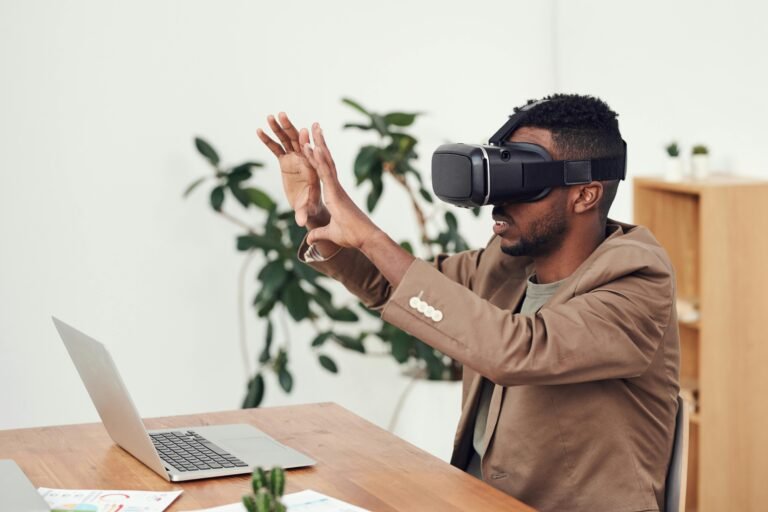
Virtual reality (VR) and augmented reality (AR) are technologies that are gaining momentum in all fields – from entertainment to education, healthcare, and professional training. While virtual reality creates a complete digital environment that we can inhabit, augmented reality adds a layer of digital information to our real-world environment, making it more interactive.
The Differences Between VR and AR:
- Virtual Reality (VR): An immersive digital environment where the user is completely surrounded by a virtual world, usually through a headset.
- Augmented Reality (AR): A combination of digital objects and real-world information, viewed through devices like smartphones or AR glasses.
Implications for Various Industries:
- Education: AR and VR provide immersive learning experiences. Students can "walk" through ancient Rome or experiment with scientific phenomena in a hands-on way.
- Healthcare: Doctors can use AR technologies to guide surgeries or help patients through various treatments, while VR can assist in therapy or improve mental health.
- Entertainment: Games and movies can offer more immersive and realistic experiences by pulling the viewer into exciting new worlds.
5. Artificial Intelligence: How Machines Are Changing Everything We Know About Creativity
Artificial intelligence not only performs technical tasks but is also changing the way we view creativity. AI is advancing rapidly, assisting artists, writers, musicians, and designers in producing new and impressive creations. Machines that can write songs, design images, or compose music without human intervention challenge the concept of human creativity.
How AI is Changing Creativity:
AI is based on advanced algorithms that focus on understanding, creating new ideas, and making creative decisions. For musicians, technologies like "Amper Music" enable the creation of original music within minutes. For artists, programs like "DALL-E" generate images created by computers.
6. Artificial Intelligence and Healthcare: How Smart Technology is Changing Medicine
AI technologies are already significantly influencing healthcare. Whereas computers used to simply perform calculations, today they can advise, diagnose, and help make sensitive health-related decisions. It's not just that surgeries are being performed automatically, but early diagnosis, remote treatment, and improved patient care are also becoming a reality.
Diagnosis and Health Monitoring:
One of the greatest opportunities that AI brings to healthcare is the ability to diagnose diseases earlier. Advanced algorithms can detect symptoms that a human doctor might miss and send alerts in case of health dangers. With technologies like medical imaging and genetic data, computers can detect diseases like cancer at their earliest stages, greatly increasing the likelihood of successful treatment.
Telemedicine:
The ability to diagnose remotely and stay in direct contact with a doctor without needing a physical visit is transforming how people receive medical care. AI technologies allow doctors to monitor patients remotely and respond to changes in their health status immediately.
7. Artificial Intelligence in the Arts: Can Machines Be Creative?
Can a machine be creative? This question has been relevant for decades, but recently, with the advancement of artificial intelligence, we are seeing how algorithms perform creative tasks typically associated with humans. Computers can now generate images, music, poetry, and more, sparking a conversation about the boundaries of human creativity.
AI in Music Creation:
Musicians are now using AI technologies to create new music. Programs like "Amper Music" allow users to generate new musical compositions with smart algorithms. These aren't just random results; they are compositions that sound like they were written by a musician.
AI in Visual Art Creation:
Machines like "DALL-E" generate digital images based on verbal descriptions, raising questions about originality, copyright, and aesthetics.
8. Augmented Reality: How Technology Has Changed the Way We See the World
Augmented reality (AR) offers users a new experience where digital imagery is integrated into our physical world. Technologies like AR are making the world more interactive by providing real-time visual information about objects and locations in our environment.
AR in Various Industries:
AR is already influencing several fields. In retail, for example, AR allows customers to see how furniture or clothing will look in their home. In education, students can learn about physical phenomena using 3D, interactive models. In healthcare, AR allows doctors to visualize the human body’s anatomy during surgery.
AR in Urban Environments:
In a smart city, augmented reality can make navigating streets easier, displaying information about nearby buildings, museums, or restaurants, all without taking your eyes off your surroundings.
9. The Digital World: How Technology is Impacting Social Lives
Digital technology has changed the way we communicate, exchange ideas, and perform daily activities. On social media, mobile devices, and the internet, we can stay connected with friends and family, learn, work, and carry out various tasks in a much more flexible and personalized way.
Social Lives in the Digital World:
The popularity of apps like Facebook, Instagram, Twitter, and TikTok has altered how we maintain social interactions. People can connect with others around the world, share experiences, opinions, and images, and maintain social lives through the internet.
Implications for Privacy:
On one hand, these technologies open up a new world of social experiences, but on the other hand, they raise concerns about privacy and data security. In the future, we will need to find a way to balance technological social experiences with the protection of user privacy.
I hope these extended translations meet your expectations! If you'd like further adjustments or clarifications, feel free to let me know!